





Lohri is finally here!
The bonfires are ready, and the festive spirit is in the air. While we all love snacking on Rewari, Moongphali, and Gajak during this time, sometimes we crave something a bit more indulgent and special. If you haven’t decided on a sweet treat to share with your family yet, Gud Wali Pinni is the perfect choice.
Unlike store-bought sweets that can be overly hard or sugary, this homemade Pinni is crafted with love, desi ghee, and the warmth of jaggery. It’s not just a dessert; it’s a hug in a bite to keep you cozy during the winter chill.
About the Recipe
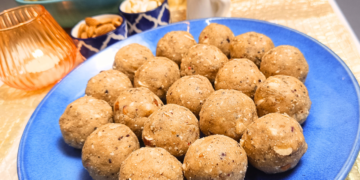
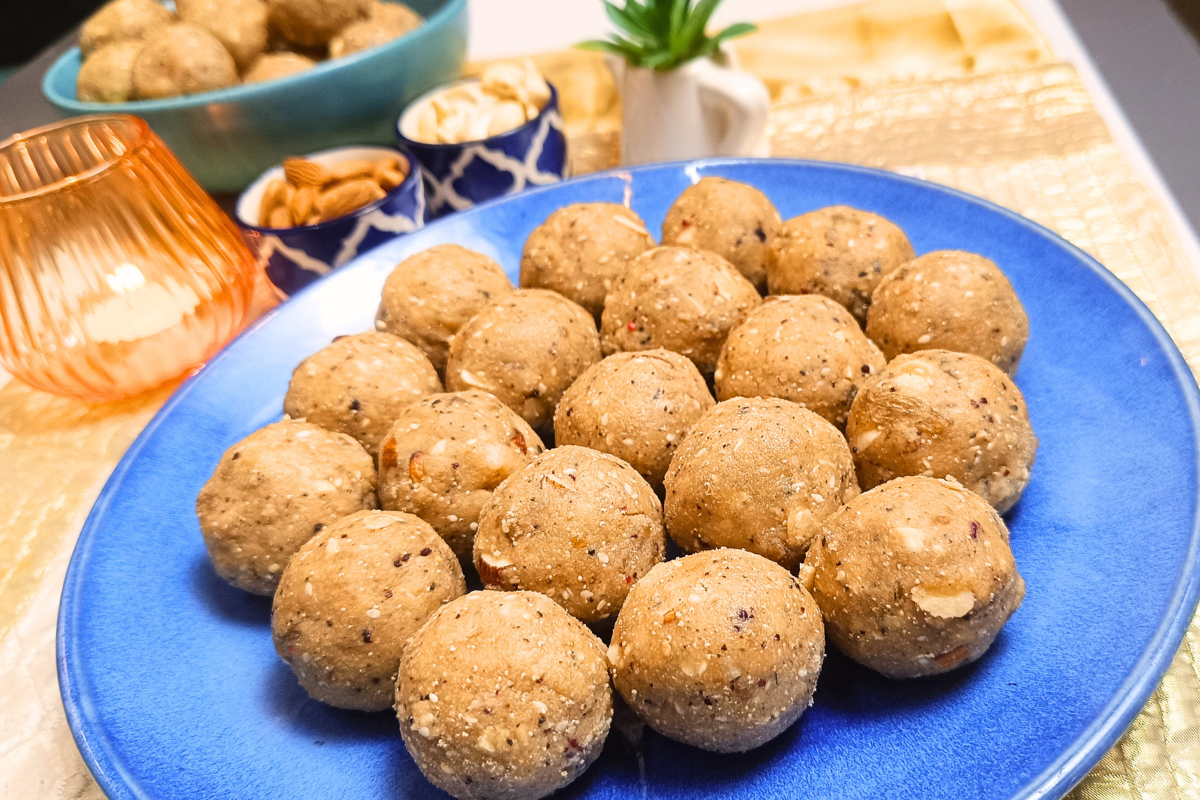
Gud Wali Pinni is a traditional Indian sweet ball, specifically cherished during the winter months. It is a dense, energy-rich confection made primarily of wheat flour, ghee, and jaggery (Gud), enriched with nuts and seeds.
What sets this recipe apart is the specific combination of Safed Til (White Sesame), Khas Khas (Poppy Seeds), Goond (Edible Gum), and Kamar Kas. Instead of just being a sugary treat, this recipe acts as a functional food, designed to provide warmth, energy, and vital nutrients to the body to combat the cold weather.
Pinni holds a special place in Punjabi cuisine and culture. Punjab is the land of wheat, and this sweet celebrates the harvest by using Gehun ka Aata (whole wheat flour) as its base.
Historically, Punjabi winters are harsh, and people needed high-calorie, warming foods to sustain themselves. Pinni was born out of this necessity. The generous use of Desi Ghee and dry fruits is a hallmark of Punjabi cooking, representing richness and hospitality. Serving Pinni to guests or family members during Lohri is a way of wishing them good health and prosperity (“Rab Rakha”).
Health Benefits
This Gud Wali Pinni is often called “Winter Care in a bite” for good reason:
- Keeps the Body Warm: Ingredients like Goond (Edible Gum), Sesame seeds, and Black Pepper (often added in variations) are inherently hot in nature (thermogenic), which helps keep the body warm from within.
- Rich in Calcium: Safed Til and Khas Khas are excellent sources of calcium, essential for bone health during winters when we tend to get less sunlight.
- Joint Pain Relief: The addition of Kamar Kas (a traditional herb) and Goond is known to strengthen joints and reduce back pain, which often flares up in cold weather.
- Digestive Aid: The use of Gud (Jaggery) instead of refined sugar is easier on the digestive system and helps cleanse the liver.
- Energy Booster: Loaded with wheat flour, ghee, and nuts like almonds and cashews, one Pinni is enough to provide a sustained energy boost.
Taste and Texture
- The flavor is deeply earthy and robust. The Gud (Jaggery) provides a caramel-like sweetness that is far more complex than white sugar. It is perfectly balanced with the nuttiness of roasted sesame and poppy seeds and the rich aroma of pure ghee.
- A perfectly made Pinni is never rock-hard. It has a soft, melt-in-mouth texture that feels slightly grainy but smooth. The crunch of the roasted nuts adds a delightful contrast to the soft flour base.
Ingredients
- Safed Til (Sesame Seeds) & Khas Khas (Poppy Seeds): These are roasted lightly to release their oils. They provide calcium and a unique nutty flavor.
- Goond (Edible Gum): Fried in ghee until it puffs up like popcorn. It creates a porous texture in the Pinni and is excellent for building stamina and fighting winter colds.
- Kamar Kas: A traditional ingredient crushed into the mix, prized for its ability to strengthen bones and muscles.
- Gehun ka Aata (Wheat Flour): Slow-roasted in ghee until golden. This long roasting process is key to removing the raw flour smell and adding a caramelized aroma.
- Desi Ghee: The medium of cooking. It binds the ingredients together and adds the signature richness.
Serving Suggestions
- In many North Indian households, Pinni is traditionally eaten with a glass of warm milk in the morning for a nutritious winter breakfast.
- Pack them in beautiful boxes tied with a ribbon to gift friends and family on Lohri.
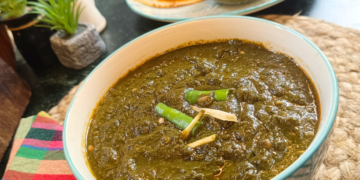
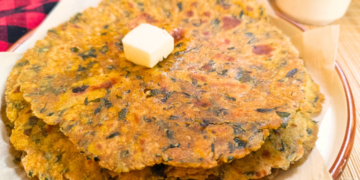
- Serve one small Pinni after a heavy Lohri dinner of Sarson ka Saag and Makki ki Roti to aid digestion and satisfy sweet cravings.
- It pairs wonderfully with Masala Chai for an evening snack.
Variations
- Atta Pinni: The classic version made primarily with wheat flour and less sugar.
- Sooji Pinni: Using semolina (Sooji) instead of wheat flour for a grittier texture.
- Sugar Pinni: If you prefer a lighter color and taste, you can substitute Gud with powdered sugar, though Gud is preferred for its health benefits.
- Dry Fruit Pinni: You can increase the quantity of almonds, pistachios, and walnuts for a crunchier version.
Storing Ideas
- Room Temperature: Since this recipe uses pure Ghee and Gud, it has a good shelf life. You can store these Pinnis in an airtight steel or glass container at room temperature for up to 3-4 weeks during winter.
- Refrigeration: If you live in a humid climate or want to keep them longer than a month, store them in the refrigerator. However, bring them to room temperature before eating to enjoy the soft texture.
- Texture Tip: If the Pinnis feel too hard when you take them out of the fridge, you can gently warm them in a microwave for 5-10 seconds to soften them up.
So this Lohri, go beyond the usual snacks and treat your family to the wholesome goodness of Gud Wali Pinni. It is a sweet that nourishes the body and warms the soul. Whether you are making it for the harvest festival or just to stock up on winter nutrition, this recipe is sure to become a staple in your home.
Happy Lohri! May your life be as sweet and rich as this Pinni.
Gud Wali Pinni
- Total Time: 60 minutes
- Yield: 30-35
Description
Gud Wali Pinni is a traditional winter sweet made with slow roasted wheat flour, pure desi ghee and jaggery. Enriched with dry fruits, goond, kamar kas and sesame seeds, it is nourishing, warming and perfect for cold weather. This homemade recipe is ideal for Lohri celebrations and winter festivities, and tastes even better when prepared a day in advance.
Ingredients
- 500 g (2¼ cups) desi ghee
- 500 g (4 cups) wheat flour (aata)
- 500 g (3 cups) jaggery (gud), crushed
- 50 g (½ cup) goond (edible gum)
- 25 g (3 tbsp) kamar kas
- 25 g (3 tbsp) white til (safed til), lightly roasted
- 25 g (3 tbsp) khas khas (poppy seeds)
- 50 g (½ cup) grated dry coconut
- 50 g (½ cup) almonds, chopped
- 50 g (½ cup) cashews, chopped
- 50 g (½ cup) raisins
Instructions
- In a pan, lightly roast the white til and khas khas until aromatic.
- Fry the goond and kamar kas separately in a little desi ghee until the goond puffs up, then crush lightly.
- Heat 2 cups of desi ghee on a low flame.
- Add 4 cups of wheat flour and roast slowly until aromatic and evenly golden.
- Add the roasted white til, khas khas, grated coconut and raisins to the roasted aata, and mix well.
- Now add the fried goond, kamar kas, almonds and cashews, and roast for 2–3 minutes on a low flame.
- Switch off the flame and allow the mixture to cool slightly.
- Add the crushed jaggery, mix well and shape into pinnis.
- Gud Wali Pinni is ready!
Notes
- Always roast on low flame until just aromatic. Over-roasting can make them bitter.
- Fry goond and kamar kas in small batches using medium-low heat. Goond should puff up instantly.
- Crush both lightly in an okhli once cooled for better mixing and digestion.
- Keep the flame low before adding aata. Too much heat can burn the flour quickly.
- Roast wheat flour slowly and patiently on low flame, stirring continuously to ensure even colour and aroma.
- Add seeds and nuts only after the aata is well roasted so they do not burn.
Mix fried goond & dry fruits gently and roast briefly (2–3 minutes) to retain crunch and flavour. - Always switch off the flame and allow the mixture to cool slightly before adding gud to prevent bitterness.
- Shape the pinnis while the mixture is warm for smooth binding.
- Once completely cooled, store in an airtight container. Stay fresh for 3–4 weeks.
- Prep Time: 20 minutes
- Cook Time: 40 minutes
- Category: Sweets
- Method: Cooking
- Cuisine: Punjabi